
Writing Desks Collection
Our writing desk collection honours the traditional art of correspondence through solid hardwood construction, designed specifically for focused writing, study, and creative work. These purposeful desks and tables feature clean, uncluttered surfaces that encourage concentration, whilst providing the physical and psychological space needed for thoughtful composition.
Each writing desk reflects the heritage of classic literary furniture, with carefully considered proportions that support comfortable writing posture - whether composing letters by hand, working on manuscripts, journaling, or pursuing creative endeavours. Crafted using classical furniture-making techniques and responsibly sourced timber, our writing desks embody the simplicity, durability, and functionality that have defined exceptional writing furniture throughout history.
For smaller sized Writing Desks check our Small Writing Desk Collection
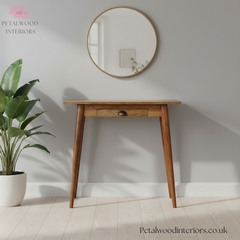
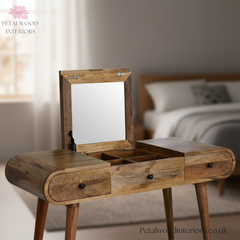
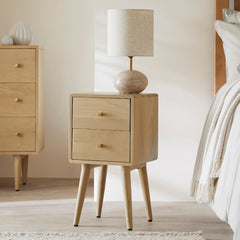

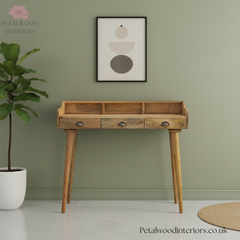
£488.68 £410.14
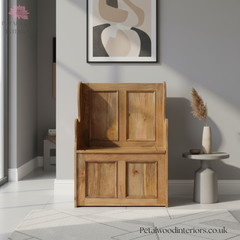
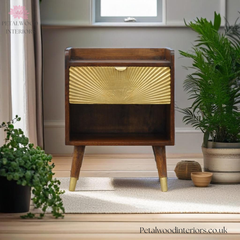
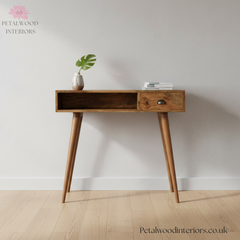

£488.68 £410.14
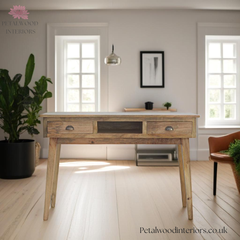
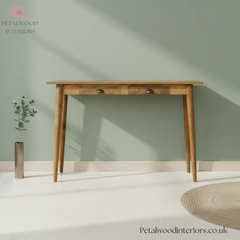
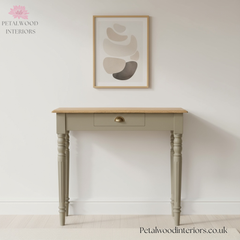
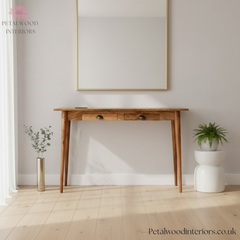
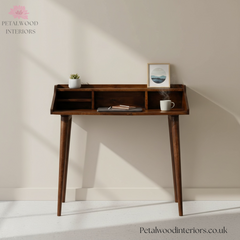
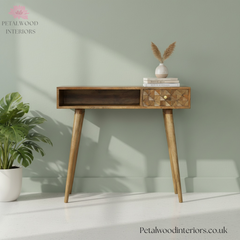
£429.99 £395.62

£499.99 £458.54
More Information On Writing Desks
Writing Desks – What Are They & Why Choose Them?
Writing desks are compact, purpose-built furniture pieces designed specifically for correspondence, journaling, and focused creative work, typically measuring 90-120cm wide with clean, uncluttered surfaces. Unlike larger computer desks with multiple compartments, writing desks feature 1-3 drawers and minimal storage to encourage concentration whilst providing essential space for papers, pens, and personal items. These traditional pieces typically stand 74-79cm tall—the ideal height for comfortable handwriting posture.
Our solid hardwood writing desks bring together classical furniture-making techniques and responsibly sourced timber to create workspaces that genuinely support focused thought and creative endeavours. The substantial oak, walnut, and mahogany construction provides reliable support for decades of daily use, whilst traditional dovetail joinery and hand-finished surfaces ensure structural integrity without the settling or loosening common in flat-pack alternatives.
Unlike mass-produced particle board desks that deteriorate within 5-7 years, our writing desks are built using mortise and tenon joinery that maintains alignment and stability for 25-30 years of regular use. The natural grain patterns develop richer patinas over time, creating characterful pieces that become more distinguished with age rather than showing wear. This makes our writing desks not only functional workspaces but also heirloom-quality furniture that supports focused work throughout generations of family use.
Our Writing Desk Range – Which One Is Right for You?
Our writing desk collection features 10 distinct designs ranging from compact 90cm single-drawer models to spacious 120cm three-drawer desks, with prices from £273 to £429 depending on wood type, drawer configuration, and finish complexity. Each desk maintains the 74-79cm height ideal for writing comfort whilst offering different storage solutions—from minimalist single drawers to multi-shelf configurations with built-in cable management. Traditional leg styles include turned, tapered, and Art Deco designs to complement various interior aesthetics.
Here's how our writing desk styles compare across key features:
| Desk Style | Dimensions (W×D×H) | Storage Configuration | Best For | Price Range |
|---|---|---|---|---|
| Single Drawer Compact | 90-100cm × 45-50cm × 76-78cm | 1 drawer, open shelf option | Small spaces, letter writing, journaling | £273-£339 |
| Two Drawer Classic | 105-115cm × 50-55cm × 76-79cm | 2 drawers, optional USB power | Home offices, manuscript work, correspondence | £338-£373 |
| Three Drawer Executive | 115-125cm × 55-60cm × 78-79cm | 3 drawers with top storage | Professional writing, extensive stationery needs | £368-£405 |
| Multi-Shelf Scholar | 110-120cm × 50-55cm × 78-79cm | Shelving with 1-2 drawers | Research work, reference materials, creative projects | £340-£430 |
By choosing our writing desks, you're selecting furniture that balances heritage craftsmanship with purposeful design: compact enough for focused work without overwhelming your room, yet substantial enough to support decades of daily correspondence, creative writing, and thoughtful composition. Explore our vintage writing desk collection for pieces featuring traditional shell handles, Art Deco styling, and classical French design elements.
Why Buy Writing Desks from Petalwood Interiors?
We've chosen 100% solid hardwood construction for our writing desks because it provides genuine structural integrity and weight-bearing capacity that veneered or particle board alternatives cannot match, lasting 25-30 years versus 5-7 years for cheaper materials. Our traditional dovetail joints, mortise and tenon joinery, and hand-finished surfaces create furniture that maintains alignment and stability throughout decades of daily use. Each desk is crafted from responsibly sourced oak, walnut, or mahogany with FSC certification where available.
Unlike mass-produced writing desks that rely on metal brackets and wood glue, our traditional joinery techniques create mechanical locks that strengthen over time rather than loosening. The substantial leg construction—whether turned, tapered, or Art Deco styled—provides stable platforms that don't wobble or shift during writing. This attention to classical furniture-making methods ensures your writing desk remains a reliable, functional workspace throughout years of correspondence, journaling, and creative work.
Our writing desks feature thoughtful design details that support focused work: drawer interiors finished to the same standard as exteriors, smooth-running drawer mechanisms that operate quietly without disturbing concentration, and carefully proportioned surfaces that accommodate writing materials without excess clutter. Some models include modern conveniences like built-in USB power and cable management whilst maintaining traditional aesthetics. This combination of heritage craftsmanship and practical functionality makes our solid wood writing desks genuine investments in quality furniture, not temporary solutions.
Choosing the Right Size Writing Desk
Your writing desk should measure 90-100cm wide for letter writing and journaling, 105-115cm for manuscript work and home office use, or 115-125cm for professional writing requiring reference materials—with depth of 45-60cm depending on available space and storage needs. All our desks maintain the standard 74-79cm height for comfortable writing posture when seated. Measure your available wall space, then subtract 20-30cm to allow proper chair movement and room circulation.
For compact spaces or dedicated letter-writing corners, single drawer desks at 90-100cm width provide essential surface area whilst fitting alcoves, bedroom corners, or narrow home office spaces. Our small writing desks collection features desks designed specifically for limited spaces, offering focused correspondence, journaling, and light creative work without overwhelming limited floor space. If you're working with room dimensions under 2.5 metres wide, these compact models maintain functionality without creating congestion.
For primary home offices or substantial writing projects, two-drawer or three-drawer desks at 105-125cm width offer generous surface area for manuscripts, research materials, and multiple writing tools. The additional drawer space keeps stationery, correspondence supplies, and reference documents organised and accessible throughout the working day. These larger models suit rooms 2.8 metres or wider, providing workspace capacity for professional writing, extensive correspondence, or creative projects requiring multiple resources simultaneously.
Writing Desks vs Computer Desks – Understanding the Difference
Writing desks and computer desks serve different purposes despite similar appearances, with key distinctions in surface area, storage design, and intended use that affect daily functionality and long-term satisfaction with your furniture choice.
Key differences between writing desks and computer desks:
- Surface Design: Writing desks feature clean, uninterrupted surfaces (90-125cm wide, 45-60cm deep) optimised for paper, notebooks, and writing instruments, whilst computer desks include keyboard trays, monitor stands, and cable management systems for technology equipment
- Storage Configuration: Writing desks provide 1-3 drawers focused on stationery and correspondence supplies, whilst computer desks offer tower compartments, printer shelves, and dedicated cable routing for electronic equipment
- Height Standards: Writing desks maintain 74-79cm height for comfortable handwriting posture, whilst computer desks vary from 70-76cm to accommodate ergonomic keyboard positioning and adjustable monitor heights
- Aesthetic Purpose: Writing desks emphasise clean lines and traditional craftsmanship suitable for living spaces and bedrooms, whilst computer desks prioritise technology integration and often feature contemporary industrial styling
- Weight Capacity: Writing desks support papers, books, and writing materials (15-25kg typical load), whilst computer desks are engineered for monitors, towers, and multiple peripherals (40-60kg typical load)
If your primary activities include correspondence, journaling, manuscript writing, or creative work with minimal technology, writing desks provide focused workspaces without the visual clutter of unnecessary compartments. These purposeful pieces maintain concentration-friendly environments whilst offering exactly the storage needed for pens, paper, and personal items. Computer desks better serve users requiring integrated technology setups, multiple monitors, or extensive electronic equipment—though they often create busier visual environments less conducive to contemplative work.
Our solid wood writing desks excel in creating dedicated spaces for thoughtful composition, whether you're maintaining correspondence, working on creative projects, or pursuing focused study. The traditional construction and refined aesthetics suit living rooms, bedrooms, and formal studies where furniture contributes to room ambiance, unlike utilitarian computer desks designed primarily for functional technology housing.
How to Care for Your Solid Wood Writing Desk
Proper maintenance ensures your solid wood writing desk maintains its structural integrity and develops attractive patina for 25-30 years of reliable service, whilst protecting the natural grain patterns and hand-finished surfaces that distinguish quality furniture from mass-produced alternatives.
Dust your writing desk weekly using microfiber cloths, wiping in the direction of wood grain to prevent surface scratching. Immediately wipe any spills with absorbent cloth—never allow liquids to sit on wood surfaces, as moisture penetration causes warping, staining, and finish degradation. Always use coasters under drinks, blotters under ink bottles, and protective pads under desk lamps or decorative items. Maintain indoor humidity between 40-45% to prevent wood expansion or contraction that leads to joint loosening or surface cracking.
Reapply furniture wax or natural oil every 6-12 months depending on usage intensity and environmental conditions. For oiled finishes, apply thin coats of Danish oil or tung oil with lint-free cloth, allowing 4-6 hours between coats. For waxed surfaces, apply furniture wax in circular motions, then buff with clean cloth after 15-20 minutes. This periodic treatment nourishes wood fibres, protects against moisture, and maintains the lustrous finish that characterises well-maintained solid hardwood furniture.
Essential care practices for solid wood writing desks:
- Avoid Direct Sunlight: Position desks away from south-facing windows or use window treatments to prevent UV fading and wood drying that causes surface checking and colour bleaching over time
- Never Use Harsh Cleaners: Avoid ammonia-based products, vinegar solutions, or multi-surface sprays that strip natural oils and damage finishes—use only products specifically formulated for solid wood furniture
- Protect From Heat: Never place hot items directly on surfaces—use trivets or heat-resistant pads under coffee cups, tea pots, or electronic equipment that generates warmth
- Inspect Drawer Mechanisms: Check drawer runners every 6 months, cleaning dust accumulation and applying furniture wax to wooden glides or silicone lubricant to metal runners for smooth operation
- Address Damage Promptly: Repair scratches, dents, or finish damage immediately to prevent moisture ingress and further deterioration—minor surface damage can be addressed with touch-up markers or furniture repair crayons matched to your desk's finish
Professional refinishing costs £100-180 for complete surface restoration, whilst DIY refinishing requires £40-60 in materials (sandpaper, stain, finish) and 8-12 hours of careful work. Unlike veneered furniture that cannot be refinished, solid wood writing desks can be sanded and refinished 4-6 times throughout their lifespan, allowing you to restore original appearance, change finish colour, or repair extensive surface damage. This refinishing capability extends desk longevity by decades and makes solid wood construction genuinely more economical than replacement cycles with cheaper alternatives.
Writing Desks: Frequently Asked Questions
What is the best wood for writing desks?
How wide should a writing desk be?
Are solid wood writing desks worth the investment?
How do I care for a solid wood writing desk?
Can I refinish a solid wood writing desk?
What's the difference between a writing desk and a computer desk?
How many drawers should a writing desk have?
Where should I place a writing desk in my home?
Recently Viewed Products
Recent reviews from across our store
These reviews relate to the product named on each card. Ratings on product pages remain product-specific.