
Wabi Sabi Bedside Table Collection
Wabi Sabi bedside tables bring quiet luxury to the bedroom through solid wood construction, restrained Japanese-inspired design and an appreciation of natural imperfection. Crafted from responsibly sourced hardwood using traditional mortise and tenon frames and dovetail drawer joints, this collection offers durable bedside storage built to last 20-30 years. Designs range from compact 40cm tables to taller 63cm options, with prices spanning £95-390, allowing proportionate pairing with low platform beds and deeper mattresses alike.
Subtle grain variation, organic textures and hand-finished surfaces are intentionally preserved rather than concealed, creating pieces that feel calm, tactile and genuinely individual. Solid wood construction allows refinishing 4-6 times over its lifespan, ensuring each table ages gracefully whilst remaining practical, stable and visually refined.
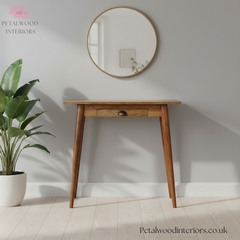
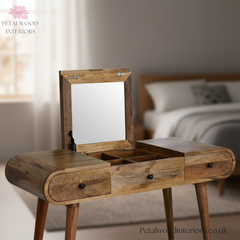
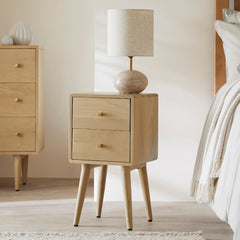

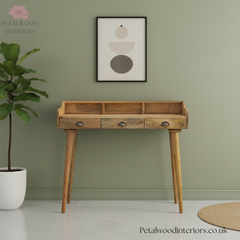
£488.68 £410.14
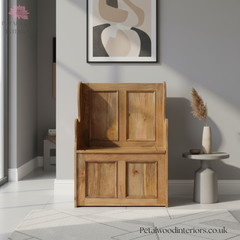
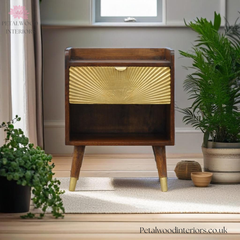
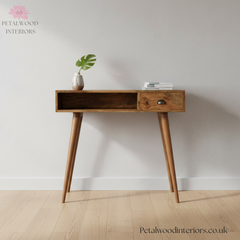

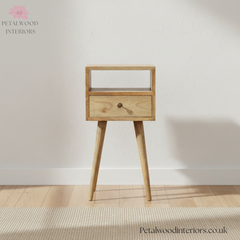
£299.99 £251.63

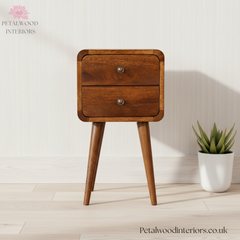
£290.00 £241.95
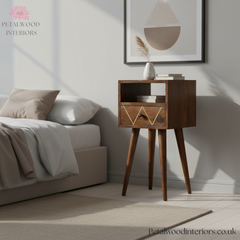
£299.99 £254.05

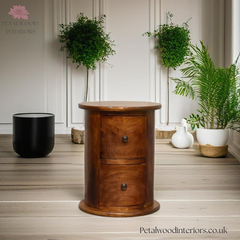
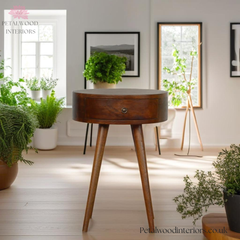
£299.00 £244.37
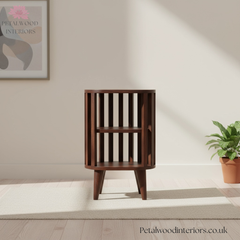


£329.99 £278.25
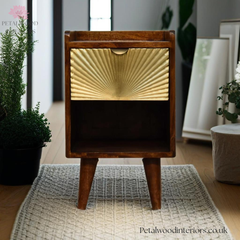


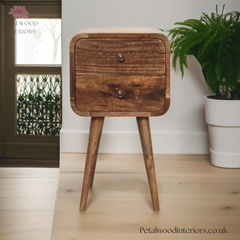

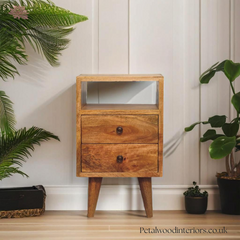
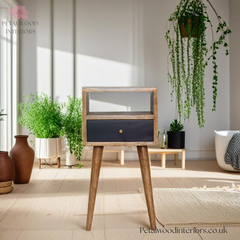
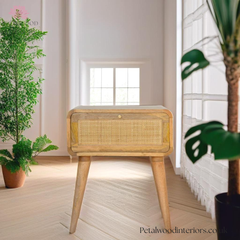
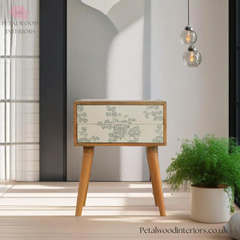


£389.99 £341.17
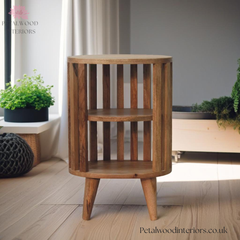
£254.99 £227.43
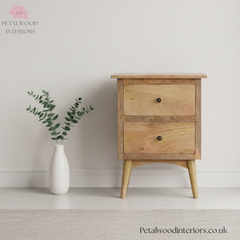
£399.99 £316.97
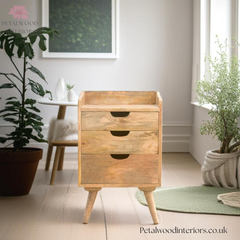


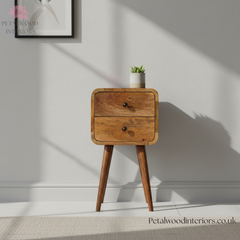
£299.99 £243.16

£259.99 £206.86
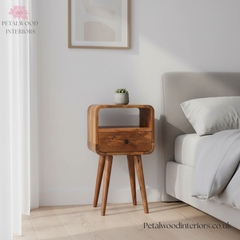


from £761.49


from £306.49

£117.75


£224.00 £124.00


£199.99 £159.99

More Information On Wabi Sabi Bedside Tables
Wabi Sabi Bedside Tables - What Are They & Why Choose Them?
Wabi sabi bedside tables are defined by calm proportions, solid wood construction and subtle natural irregularity, offering practical bedside storage in heights from 40-63cm with load capacities of 25-40kg, designed to support everyday use for 20-30 years.
Each piece is crafted from responsibly sourced solid hardwood using traditional mortise and tenon frames and dovetail drawer joints. This construction prevents movement and joint failure over time, allowing drawers and shelves to remain aligned through decades of daily opening and closing.
Rather than concealing grain variation, knots or tonal shifts, these bedside tables embrace them. Over time, surfaces develop a richer patina that enhances the sense of material honesty whilst maintaining structural integrity and practical bedside function.
Our Wabi Sabi Bedside Table Range - Which One Is Right for You?
The collection includes compact 30-40cm wide tables, mid-height 50-57cm designs and taller 60-63cm options, allowing accurate pairing with mattress heights between 45-65cm for comfortable daily reach and visual balance.
Storage configurations range from open shelves for books and devices to single, double and triple drawer formats with depths between 12-18cm. Circular, curved and straight-edged designs support traditional, Japandi and contemporary bedroom layouts.
To extend the same material language beyond the bedside, our wabi sabi console table collection offers complementary proportions for hallways and bedrooms.
Choosing the Right Size Wabi Sabi Bedside Table
Correct sizing ensures comfort and visual harmony, with bedside tables ideally positioned within 5cm of mattress height and depths kept between 30-45cm to preserve walkways of at least 60cm in smaller rooms.
Lower 40-45cm tables suit futons and platform beds, whilst 50-57cm designs align with standard divans. Taller 60-63cm options work best with deeper mattresses or framed beds where additional height prevents overreaching.
If you prefer a softer, more decorative style within the same footprint, the shabby chic bedside table collection offers alternative finishes and detailing.
Understanding Storage Options in Wabi Sabi Bedside Tables
Storage layouts balance openness and concealment, combining drawers and shelves sized for daily essentials whilst maintaining visual calm, with drawer depths typically between 12-18cm and shelf clearances of 20-25cm.
Designs prioritise longevity and ease of use, using solid wood drawer boxes and reinforced runners suited to frequent daily access.
- Single drawer (12-15cm): Keeps night-time items concealed and organised.
- Double drawers (2 x 12-14cm): Separates daily essentials from secondary storage.
- Triple drawer stacks (3 x 10-12cm): Maximises enclosed storage in compact widths.
- Open shelf (20-25cm clearance): Provides quick access for books and devices.
- Mixed drawer and shelf: Balances accessibility with visual restraint.
For a more structured, minimalist interpretation of the same philosophy, explore the Japandi bedside collection.
Wabi Sabi Bedside Tables: Wood Type Comparison
Wood choice affects durability, surface texture and ageing characteristics, influencing how bedside tables respond to daily use, refinishing cycles and patina development across a 20-30 year lifespan.
| Wood Type | Characteristics | Carving Suitability | Price Range | Best For |
|---|---|---|---|---|
| Oak | Dense grain, high structural strength, consistent colour | Excellent for precise joinery and clean edges | £135-340 | Long-term durability and heavier drawer loads |
| Pine | Softer grain, visible knots, lighter weight | Good for simple forms and restrained detailing | £95-390 | Entry-level solid wood and lighter rooms |
| Mango Wood | Warm tonal variation, stable hardwood fibres | Very suitable for fluted or patterned drawers | £170-305 | Decorative character with reliable strength |
| Walnut | Deep colour, fine grain, moderate density | Ideal for subtle curves and rounded profiles | £260-360 | Richer visual contrast and warmth |
All options use solid wood throughout, allowing refinishing 4-6 times and avoiding the structural limitations of veneered furniture.
Why Buy Wabi Sabi Bedside Tables from Petalwood Interiors?
Petalwood Interiors focuses on material integrity and construction quality, selecting solid hardwood and traditional joinery methods that extend furniture lifespan beyond short replacement cycles.
Unlike mass-produced alternatives that rely on thin panels and glued joints, these bedside tables use full-thickness components that resist racking, drawer sag and surface delamination over time.
Construction quality is visible rather than concealed, allowing customers to assess durability before purchase.
- Visible dovetail joints in drawers
- Consistent solid wood thickness throughout
- Natural grain variation rather than printed surfaces
- Substantial overall weight confirming material density
- Hardware sized for repeated daily use
This approach delivers furniture that remains stable, repairable and visually calm across decades of everyday use.
Wabi Sabi Bedside Tables – Frequently Asked Questions
What is the best wood for wabi sabi bedside tables?
How tall should a wabi sabi bedside table be?
Are solid wood wabi sabi bedside tables worth the investment?
How do I care for solid wood wabi sabi bedside tables?
Can wabi sabi bedside tables be refinished or repainted?
What is the difference between wabi sabi and Japandi bedside tables?
How much storage do wabi sabi bedside tables usually offer?
Are wabi sabi bedside tables suitable for small bedrooms?
Recently Viewed Products
Recent reviews from across our store
These reviews relate to the product named on each card. Ratings on product pages remain product-specific.